Bikepacking · Travel · Adventure · Travel Tips · Guides · Gravel · Cyling · Road Biking
A Guide to Backpacking
A practical guide to planning your first bikepacking adventure, covering destinations, packing essentials, budgeting, safety, and making the most of your trip!
Bikepacking is one of the best ways to explore the world by bike. It combines the freedom of cycling with the adventure of travelling independently, allowing you to cover long distances, discover quieter roads and trails, and experience places at a slower pace. Whether you are planning a short weekend escape or a multi-day journey across a new region, a little preparation can make the experience far more enjoyable.
The first step is choosing where you want to ride. Your destination should suit your experience level, the type of bike you are using, the amount of time you have available, and the kind of terrain you enjoy. Some riders prefer smooth roads and quiet countryside, while others are drawn to gravel tracks, mountain passes, and remote routes. Europe is particularly well suited to bikepacking thanks to its extensive road network, varied landscapes, and relatively short distances between towns. Regions such as the Dolomites, the Alps, Tuscany, Provence, and the Mediterranean coast all offer very different experiences within a relatively small area.
Once you have chosen a destination, it is worth planning the route carefully. Look at the daily distance, elevation gain, surface type, access to food and water, and where you will sleep each night. A route that looks manageable based on distance alone can become much more demanding when significant climbing, rough gravel, or poor weather is involved. It is generally better to leave some flexibility in your itinerary rather than planning every day too tightly.
The bike itself is an important part of the experience. Road bikes can be ideal for predominantly paved routes, while gravel bikes provide more versatility when your trip includes unsealed roads or mixed terrain. Whatever you choose, comfort and reliability matter more than outright speed. Your riding position should be comfortable enough for several hours in the saddle, and the bike should be properly serviced before starting a longer trip.
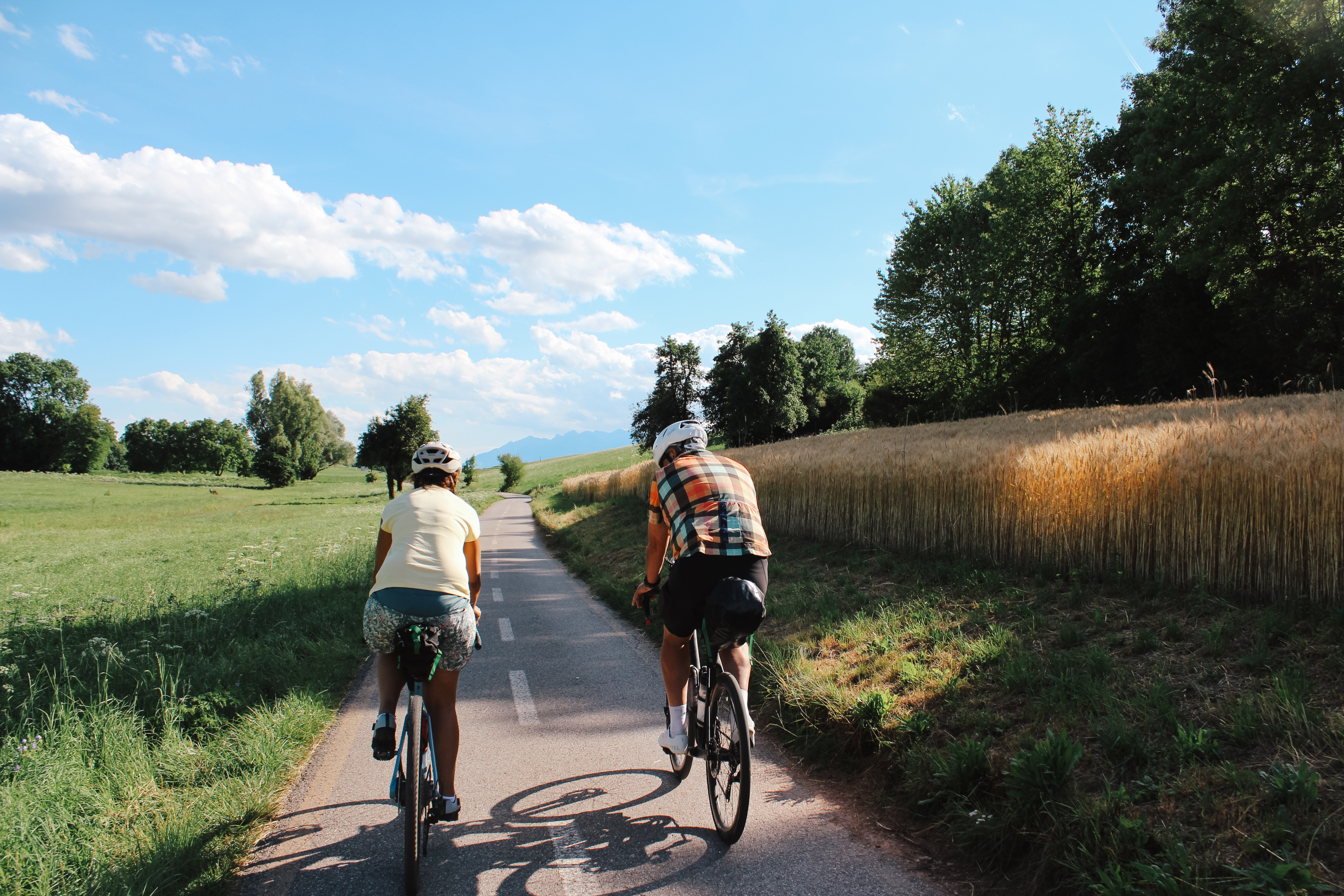
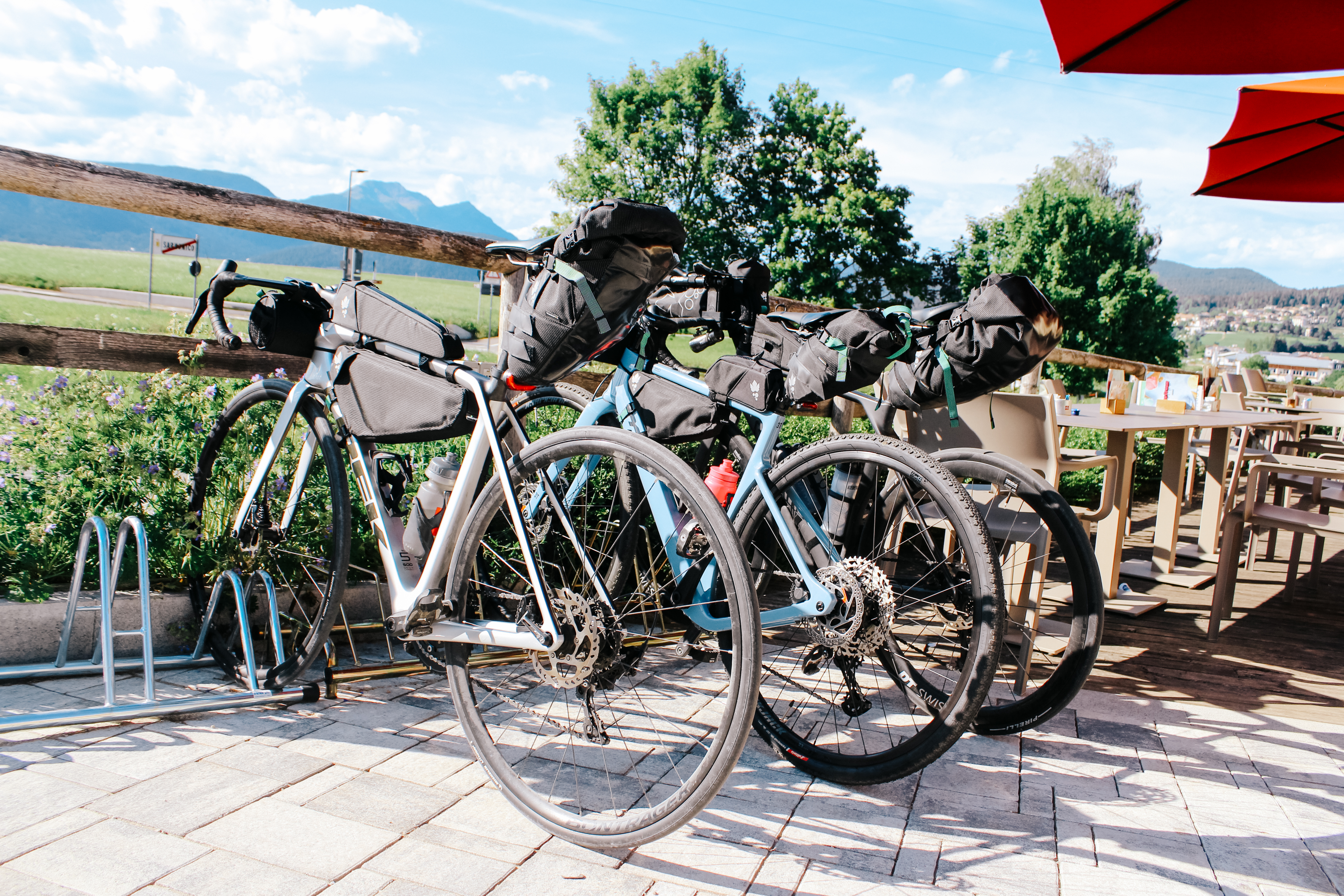
Packing is where bikepacking differs most from traditional cycle touring. Instead of large panniers and racks, bikepacking setups usually use lightweight bags attached directly to the frame, handlebars, and seatpost. The aim is to carry everything you need without unnecessarily weighing down the bike.
A typical setup may include a seat pack for clothing and larger lightweight items, a frame bag for heavier equipment and essentials, and smaller bags around the handlebars or top tube for items you want to access regularly. Longer trips may require additional storage, while shorter trips can often be completed with a relatively minimal setup.
The key is to pack efficiently. Clothing should be lightweight, versatile, and suitable for changing conditions. A waterproof jacket, warm layer, spare cycling kit, casual clothing, and basic toiletries will normally cover most situations. Avoid packing multiple items that serve the same purpose, as unnecessary weight quickly becomes noticeable when climbing.
Mechanical equipment is equally important. Carry at least one spare inner tube even if you are running tubeless tyres, along with tyre plugs, tyre levers, a small pump or inflator, a multitool, and basic repair equipment. For longer or more remote routes, carrying a spare derailleur hanger, chain links, and a small amount of chain lubricant can also be worthwhile.
Food and hydration should be planned around the route. On many European bikepacking routes, towns and cafés are frequent enough that carrying large quantities of food is unnecessary. However, remote sections may require additional supplies. Always carry enough water to comfortably reach the next reliable refill point, and consider additional bottles or hydration storage for hotter or more isolated routes.
Navigation is another essential part of bikepacking. A cycling computer with the route loaded in advance is usually the easiest option, while a smartphone can provide a useful backup. Downloading offline maps before leaving is particularly valuable in areas where mobile coverage may be limited. A power bank can also help keep navigation devices and phones charged during longer days.
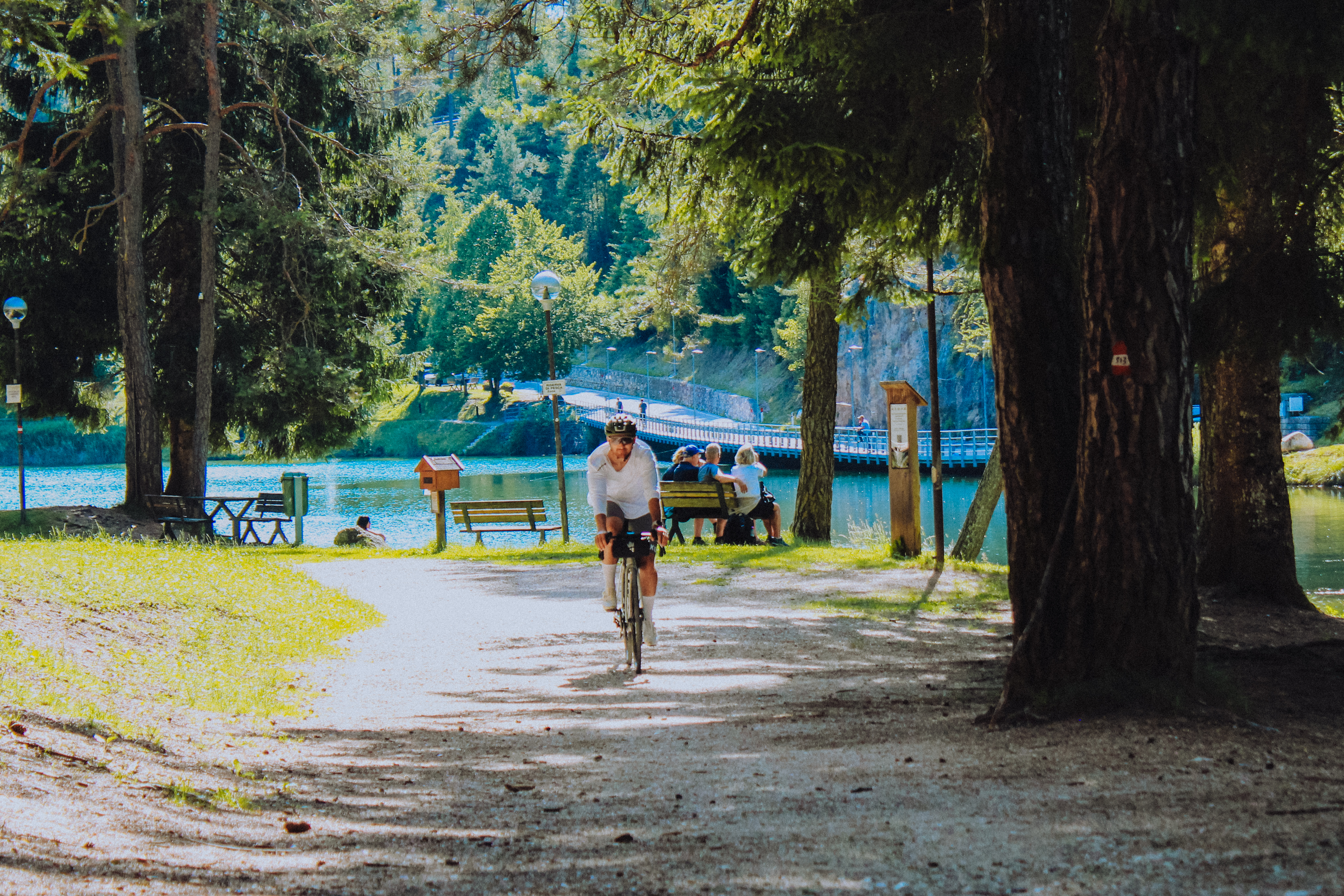
Where you stay is entirely up to you. Some riders prefer camping and carrying everything required to sleep outdoors, while others choose hotels, guesthouses, or mountain refuges. Travelling without camping equipment significantly reduces the amount of gear required, making the bike lighter and easier to ride. A combination of both can also work well depending on the route.
Safety should always be part of your planning. Check the weather before setting out each day, particularly in mountainous areas where conditions can change quickly. Use suitable lights, carry identification and emergency information, and make sure someone knows your intended route. Travel insurance that includes cycling can also provide additional protection if something goes wrong.
Most importantly, avoid treating every day like a race. Bikepacking is about the journey as much as the destination. Stop for coffee, explore small towns, take photographs, try local food, and allow yourself time to enjoy the places you are travelling through. Some of the best moments often come from unexpected detours or changes to the original plan.
You do not need to own an enormous amount of specialist equipment to start bikepacking. A reliable bike, a sensible luggage setup, a well-planned route, and a willingness to explore are enough to begin. As you gain experience, you will quickly learn what equipment you actually need and what can be left behind.
Bikepacking offers a unique combination of freedom, adventure, and simplicity. Whether you are riding for two days or two weeks, travelling by bike gives you the opportunity to experience a destination in a completely different way. Pack light, plan well, and enjoy the ride.