Bikepacking · Cycling · Adventure · Travel · Bike Travel · Cycling Europe · Gravel Riding
What is bikepacking?
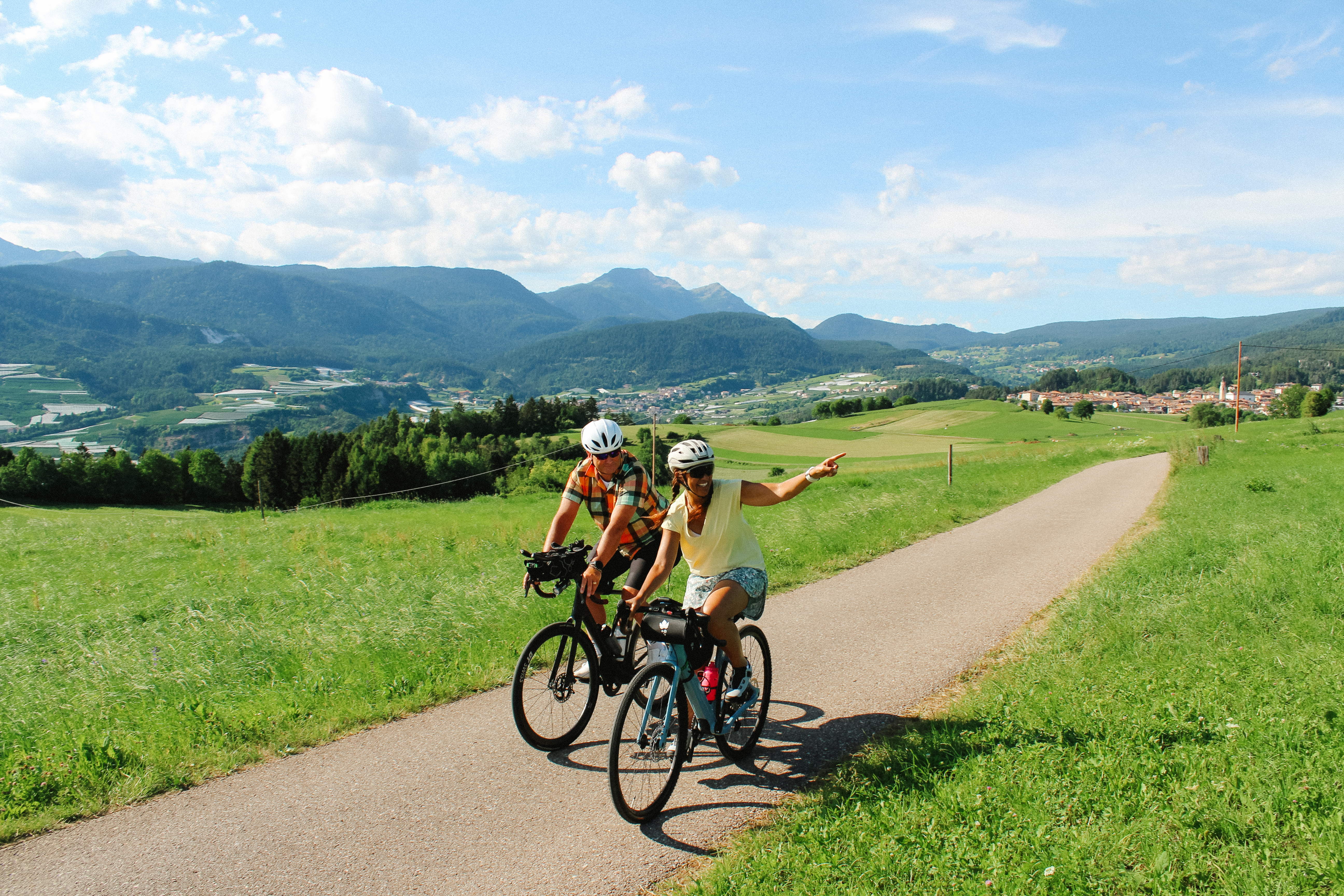
Bikepacking combines cycling, travel, and adventure, giving you the freedom to explore roads, trails, towns, and landscapes while carrying everything you need on your bike.
Bikepacking is a form of bicycle travel that combines cycling with lightweight adventure. Instead of carrying large panniers or relying on a support vehicle, bikepackers carry what they need directly on the bike using compact bags attached to the frame, seatpost, handlebars, and other parts of the bike.
At its core, bikepacking is about freedom. It allows you to travel further than you could on foot while still experiencing a destination at a much slower and more personal pace than you would by car or train. You can ride through small towns, mountain passes, quiet country roads, gravel tracks, forest trails, and remote landscapes, all while carrying your own equipment with you.
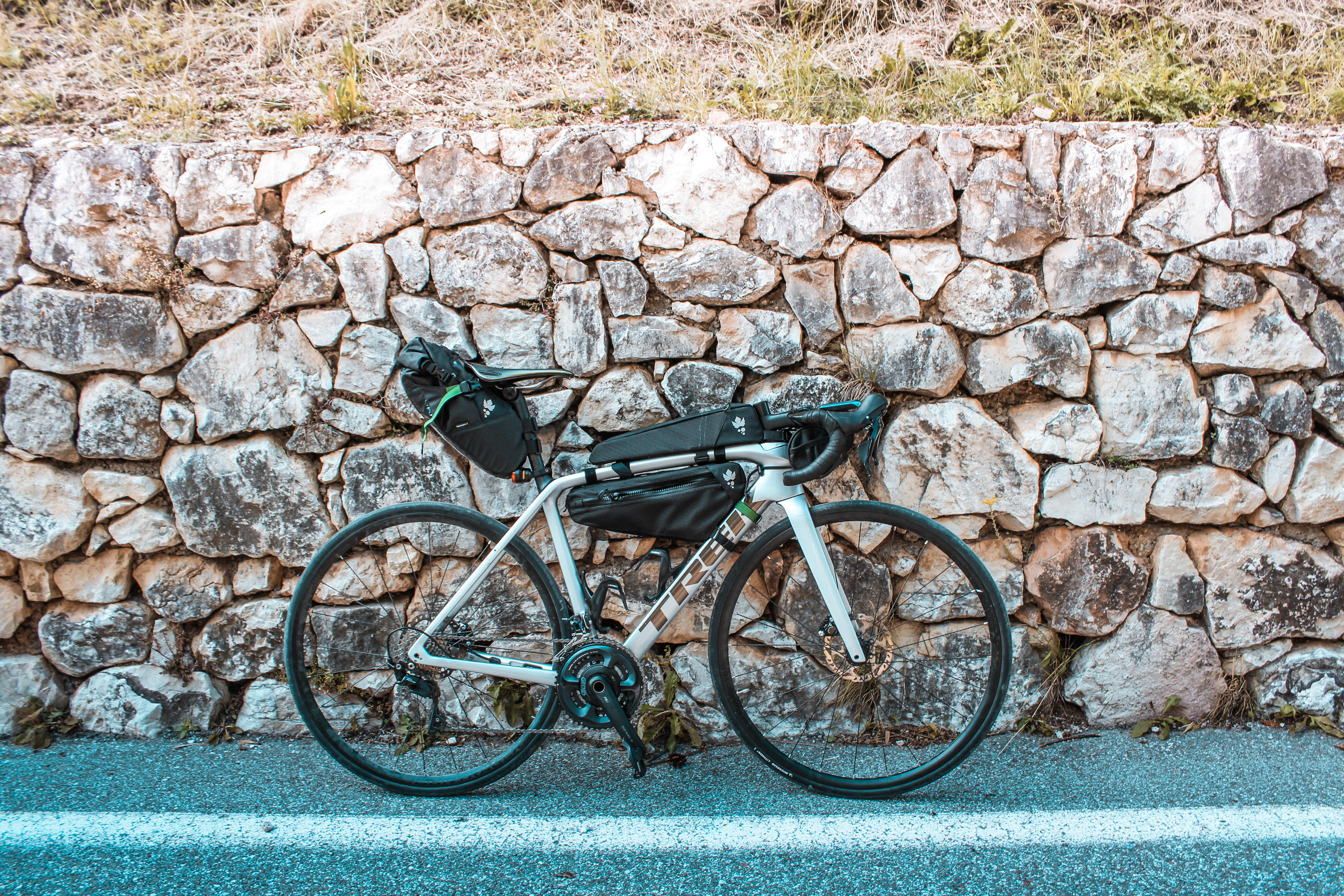
One of the biggest differences between bikepacking and traditional cycle touring is the luggage setup. Traditional touring often uses racks and panniers, while bikepacking usually relies on softer, more streamlined bags. These can include a large seat pack, frame bag, handlebar bag, top tube bag, and smaller accessory bags. This keeps the bike relatively light and makes it easier to ride on mixed terrain.
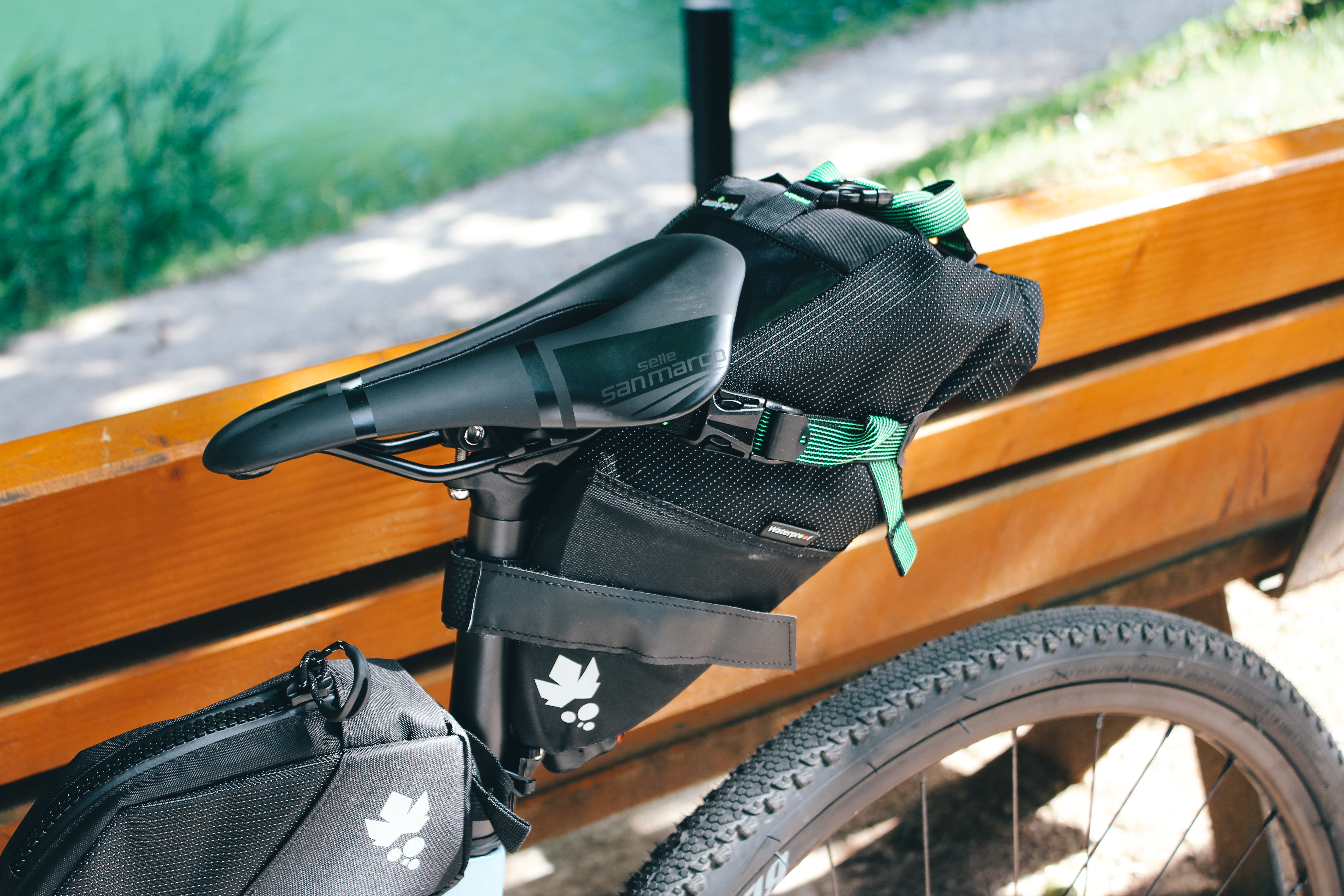
Bikepacking can be as simple or as adventurous as you want it to be. A trip could be a single overnight ride close to home, a five-day journey through the Dolomites, or a multi-week route across several countries. There is no fixed distance, terrain, or style that defines bikepacking.
Some riders choose to camp and carry a tent, sleeping bag, and cooking equipment. Others prefer what is sometimes called credit-card bikepacking, where they stay in hotels, guesthouses, or mountain refuges and travel with much less equipment. Both approaches are still bikepacking.
The type of bike can vary too. Gravel bikes are especially popular because they are comfortable over long distances and capable on both paved and unpaved roads. Road bikes can be ideal for faster trips on sealed routes, while mountain bikes are better suited to rough trails and more technical terrain.
A typical bikepacking setup includes the bike itself, luggage bags, basic clothing, repair equipment, lights, navigation, food, water, and anything needed for overnight stays. The exact setup depends on the length of the trip, weather conditions, terrain, and whether you plan to camp or stay in accommodation.
One of the biggest attractions of bikepacking is that it gives you access to places you might otherwise pass straight by. Instead of simply travelling from one major destination to another, you experience everything in between. A small café in a mountain village, a quiet road through vineyards, or an unexpected view from a gravel track can become one of the highlights of the trip.
Bikepacking is also very flexible. You do not need to be an elite cyclist or an experienced adventurer to get started. A well-planned short trip can be a great introduction, and you can gradually increase the distance and difficulty as you gain confidence.
Planning still matters. Before leaving, it is worth checking the route, daily distance, elevation, weather, accommodation, food and water points, and places where you can get help if something goes wrong. Carrying basic repair equipment and knowing how to fix a puncture or simple mechanical problem can make a big difference.
Most importantly, bikepacking is not really about how fast you ride. It is about the experience of travelling by bike. You have the freedom to stop when you want, change your plans, explore somewhere unexpected, and experience a region in a way that is difficult to replicate with other forms of travel.
For some people, bikepacking is a weekend escape. For others, it becomes a way to explore entire countries and continents.
However you choose to do it, the idea is simple: load your bike, choose a route, and start riding.